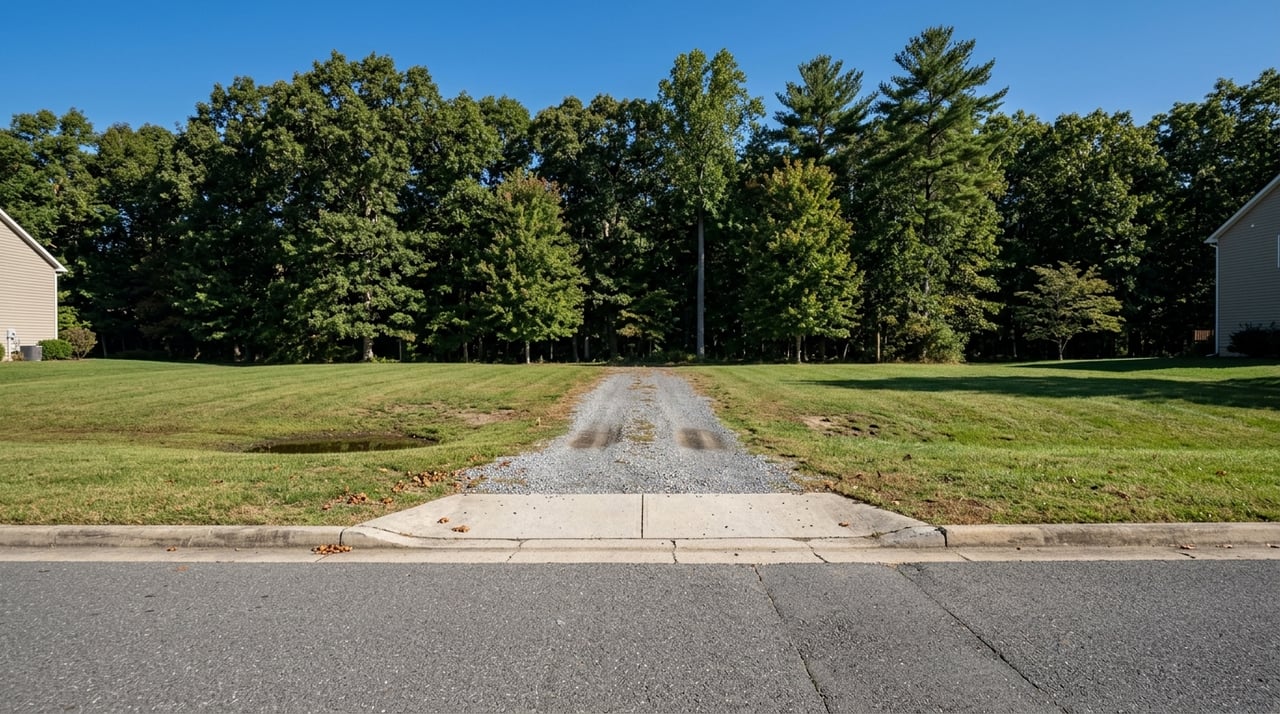
Buying Land Or Lots In Mars, Pennsylvania
June 18, 2026
June 18, 2026
Thinking about buying land in Mars, Pennsylvania? It can be an exciting way to build around your goals, but land is not as simple as buying an existing home. In a place like Mars, where space for new expansion is limited, the right lot can be hard to find and even harder to evaluate without the right checks. This guide will walk you through what to look at before you buy, what can affect buildability, and how to approach the process with more confidence. Let’s dive in.
Mars Borough is a small borough in Butler County, about 18 miles north of Pittsburgh and 12 miles southwest of Butler. The borough also notes that it has limited space for additional residential, commercial, or industrial expansion. For you as a buyer, that means available land can be limited, and each parcel may come with its own set of development questions.
That is one reason land shopping in Mars often feels more specialized than shopping for an existing house. Two lots may look similar online, but the details behind zoning, access, utilities, and drainage can be very different. A careful review up front can help you avoid surprises later.
One of the most important early steps is making sure the lot is actually in Mars Borough and not just carrying a Mars mailing address. According to the borough tax office, parcel IDs that begin with 01 are in Adams Township, even if the mailing address says Mars. That can affect which local rules, taxes, and approval processes apply.
This is a small detail that can have a big impact. Before you make assumptions about zoning, taxes, or permits, verify the parcel ID and governing municipality. It is one of the simplest ways to keep your search focused on the right opportunities.
Zoning is a major part of any land purchase in Mars. The borough zoning map includes several residential districts such as R-1, R-2, R-3, and R-4, along with commercial, industrial, overlay, and other categories. In practical terms, that means similar-looking lots may allow very different uses.
Mars Borough code says no land use may be established or changed until a zoning permit is secured. Depending on the project, site plans may also be required, and the Planning Commission may review those plans before making recommendations to Council. If your intended use does not match the parcel’s zoning, your path to building can become more complicated.
A lot may be available to buy long before it is ready to build on. Mars Borough’s code-enforcement information says zoning review can take up to 10 days, and third-party plan review can take up to 30 days when required. It also says work and inspections generally must be completed within one year of permit issuance unless an extension is approved.
That timeline matters if you are trying to coordinate land purchase, design work, financing, and construction. Setting realistic expectations early can make the process feel much smoother. It can also help you avoid rushing into a parcel that is not ready for your timeline.
Utility access is one of the biggest questions with any lot. Mars Borough lists local utility providers including the Mars Borough Water Department, Breakneck Creek Regional Authority, Peoples Natural Gas, Penn Power, Armstrong, and Consolidated Communication. Even so, availability should be confirmed for the specific parcel rather than assumed from the address.
Public sewer may be possible in parts of the borough. Breakneck Creek Regional Authority provides sewage service to Mars Borough and reported 613 Mars Borough customers as of December 2023. That is helpful context, but it still does not replace parcel-specific verification.
Before you move forward, ask direct questions about:
A buildable lot is about more than size and location. Mars Borough’s site-plan rules specifically call for review of road access, existing and proposed grades, drainage, utilities, wooded areas, floodplains, soil characteristics, erosion and sedimentation controls, yard dimensions, landscaping, open space, and proposed structures. That tells you something important: physical buildability is a central issue in the approval process.
If a parcel needs major grading or has complicated drainage, your costs and timeline may change quickly. The same is true if access is limited or if utility routes are not straightforward. This is why land buyers often benefit from looking beyond listing photos and asking deeper questions early.
Floodplain status should be part of your first round of due diligence, not something you check at the end. Mars Borough has a floodplain-management chapter in its code, and the borough’s code-enforcement guidance tells buyers to use FEMA flood maps to determine whether a property is in a floodplain.
If a lot is in or near a floodplain, that can influence design, approvals, and overall feasibility. It does not automatically mean the parcel will not work for your plans, but it does mean you should understand the implications before you commit. Early screening can save time and money.
Butler County’s GIS and mapping tools can be very helpful when you start researching a property. The county notes that some property record, assessment, and sale information is available online. That can make it easier to screen parcels and compare basic details.
At the same time, Butler County also warns that its GIS maps are for tax-assessment purposes only and are not certified surveys or exact measurement tools. In other words, county mapping is a good starting point, but it is not a substitute for a current survey or title work. If boundaries or dimensions matter to your plans, rely on professional verification.
Buying land in Mars often works best when you treat it like a small development project instead of a simple resale purchase. Depending on the parcel, your team may include a local buyer’s agent, title or closing professional, surveyor, civil engineer, builder, lender, borough zoning or code staff, and the utility locator.
That team approach makes sense because Mars Borough may require site plans, independent review, and in some cases professional seals from a registered architect, engineer, or professional land surveyor. When the right people are involved early, it becomes easier to spot issues before they grow into delays.
If your project will involve excavation or ground disturbance, Pennsylvania One Call rules are important. PennDOT’s PA One-Call guidance says routine locate requests for excavation work must be made not less than three business days before excavation begins. The purpose is to help avoid damage to underground facilities.
For you, this matters during the building stage and during some site-prep work. If your plans involve trenching, utility work, drainage work, fence installation, or grading, this should be on your checklist. It is a practical step that supports both safety and scheduling.
Even if you plan to build and stay for years, resale potential still matters. Lots with clear zoning, straightforward utility access, modest earthwork needs, and no floodplain or variance complications are generally easier to finance, build on, and resell than parcels with unanswered questions.
In a market like Mars, where space is limited, scarcity can support interest in well-positioned parcels. But scarcity alone does not solve buildability issues. The cleaner the documentation and development path, the more confidence you and future buyers may have.
Land ownership comes with holding costs, even before construction begins. Butler County’s assessment office says it generates property-tax bills for county, municipal, and school districts. Mars Borough’s tax page also explains that its office handles Mars Borough, county, and school real-estate taxes.
That is why tax exposure should be part of your early underwriting. If you are buying land as a long-term hold or future build site, make sure you understand the current tax setup and which jurisdiction applies. It is a basic step, but it can shape your overall budget.
If you want a simple way to organize your next steps, start here:
Land can offer flexibility and long-term upside, but it also asks more of you during the buying process. In Mars, the mix of limited expansion space, parcel-by-parcel utility questions, zoning differences, and development review makes local guidance especially valuable.
If you are considering buying land or lots in Mars, Pennsylvania, a steady plan can help you move forward with more clarity. From narrowing down the right parcel to helping you think through resale, timing, and due diligence, working with an experienced local professional can make the process much more manageable. If you’re ready to explore your options, connect with Chelsea Dolny.
Stay up to date on the latest real estate trends.
I am committed to guiding you every step of the way—whether you're buying a home, selling a property, or securing a mortgage. Whatever your needs, I've got you covered.

Chelsea Dolny
3150 Tampa RD Suite #8 Oldsmar, FL 34677 1667 PA 228 Ste 200 Cranberry Township, PA 16066