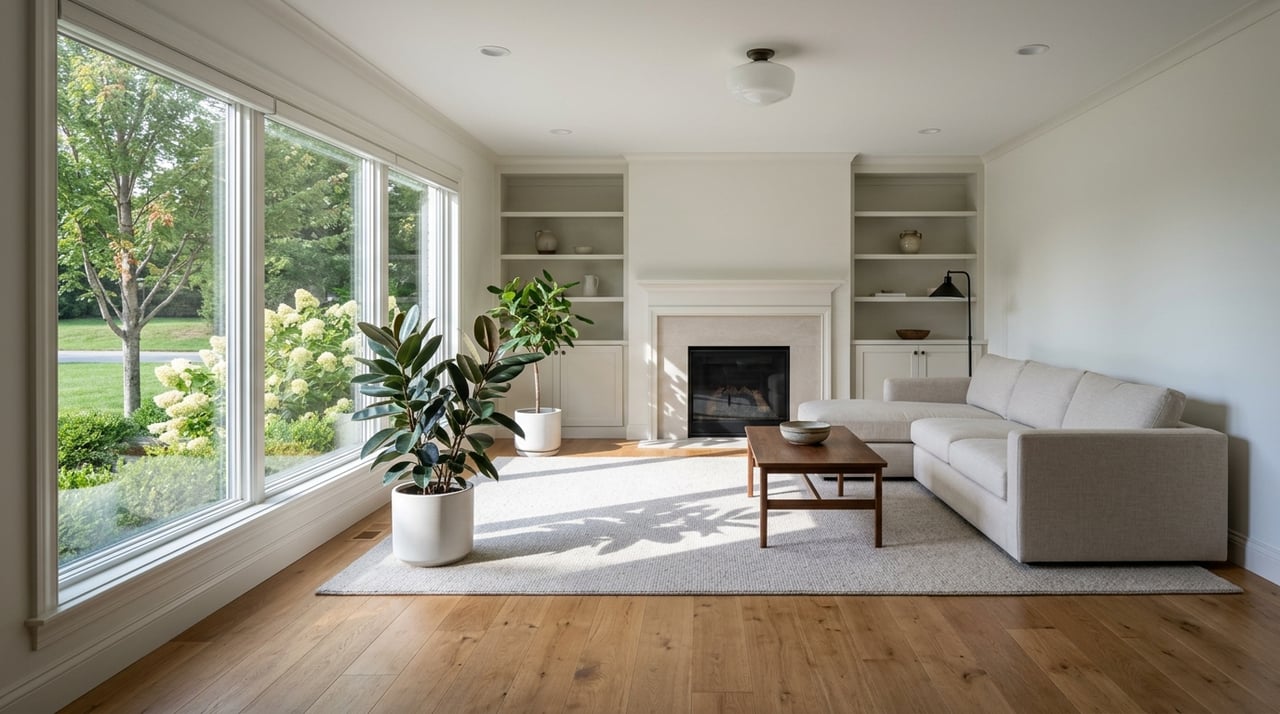
How To Sell Your Home In Cranberry, Pennsylvania
July 9, 2026
July 9, 2026
Selling a home in Cranberry, Pennsylvania is not just about putting a sign in the yard and hoping for the best. In a market with older housing, steady owner occupancy, and lower sales volume, the details matter. If you want to sell with less stress and fewer surprises, it helps to understand how pricing, condition, and offer terms work together. Let’s dive in.
Cranberry Township in Venango County is a smaller, more established market with about 6,200 residents spread across a large geographic area. The homeownership rate is high at 71.8%, which often points to a market with more long-term owners and less frequent turnover.
That matters when you sell. In a lower-volume market, buyers may have fewer options, but sellers also have fewer directly comparable sales to lean on. That means your pricing and presentation need to be grounded in the most relevant recent closed sales, not broad guesswork.
Countywide numbers can offer a useful starting point. In May 2026, Venango County had a median sale price of $239,183, median days on market of 53, and an average sale-to-list ratio of 95.9%, with 22.9% of homes selling above list.
Those numbers are helpful, but they are not a shortcut to your list price. With only 23 homes sold that month countywide, a few unusual sales can shift the median. In Cranberry, your home should be priced using recent sold comps and adjusted for its specific condition, features, and location.
One of the biggest mistakes sellers make is pricing off hope instead of evidence. In Cranberry, where buyers are paying close to list price on average but not typically rewarding overpricing, a realistic number can help you attract stronger interest early.
The best pricing approach starts with closed sales that truly compete with your property. You want to compare homes with similar age, size, lot characteristics, garage setup, updates, and overall condition. If your home has acreage, newer systems, or a remodeled kitchen, that may support adjustments, but those adjustments should still be tied to the market.
It also helps to understand what not to use. Census QuickFacts places the median value of owner-occupied homes in Cranberry Township at $149,600, but that is a survey estimate of value, not a current snapshot of sold prices. It can provide general context, but it should not be used as your pricing strategy.
A smart list price also depends on how your home shows. If it is clean, move-in ready, and well maintained, pricing close to market value may make sense. If it needs updates or has visible maintenance issues, a sharper price may do more for you than waiting for a buyer to overlook the condition.
In Venango County, housing stock tends to be older and heavily weighted toward single-family detached homes. Nearly 75% of homes in the county are more than 60 years old, and 33% were built in 1939 or earlier. That makes condition a major factor in how buyers respond.
In this kind of market, practical improvements usually matter more than trendy styling. Buyers are often looking first at roofs, windows, siding, flooring, paint, water intrusion, and mechanical systems. They also notice clutter, odors, and signs of deferred maintenance right away.
Before listing, focus on the issues that remove friction. Your goal is to help buyers feel that the home is clean, functional, and cared for.
This kind of prep does more than improve photos. It can also reduce the chances of inspection objections, appraisal concerns tied to condition, or lender-required repairs later in the process.
Many sellers use the words inspection and appraisal interchangeably, but they are not the same. An inspection looks at the condition of the home, while an appraisal estimates value for the lender.
That distinction matters because both can affect your sale in different ways. If an inspection reveals major defects, the buyer may ask for repairs, request a credit, or walk away if their contract allows it. If the appraisal comes in low, the buyer may try to renegotiate or need more cash to close.
In Cranberry, where many homes are older, inspections can carry extra weight. Issues like aging roofs, moisture concerns, outdated systems, or safety items may become sticking points if they are not addressed up front.
Some loan programs can be more sensitive to property condition. That does not mean buyers using these loans are weaker, but it does mean sellers should plan ahead.
If your home has deferred maintenance, dealing with the most obvious issues before listing can give you more flexibility once offers come in.
A high offer is exciting, but the best offer is the one most likely to close on time and on terms that work for you. In a practical market like Cranberry, offer quality matters just as much as the top number.
When you review offers, look closely at the buyer’s financing. A preapproval letter can be an important sign that the buyer has already started the lending process. You should also look at the type of loan and whether the home’s condition is likely to fit that financing.
Contingencies are another key part of the picture. Buyers commonly protect themselves with financing and inspection contingencies, and some deals may also involve appraisal protections.
Sometimes a slightly lower offer can be stronger if it has cleaner terms, fewer repair expectations, or a buyer who is better positioned to close.
When you sell, your list price is not the same as your net proceeds. It is important to understand at least some of the transaction costs before your home hits the market.
One major item in Pennsylvania is the realty transfer tax. The state transfer tax is 1% of the value of the real estate transferred, and some localities also apply a local realty transfer tax of 1%.
Because local rules and exemptions can vary, it is smart to confirm the exact transfer tax total with the title company or county recorder before listing. Having a clear estimate early can help you plan your next move with more confidence.
If you are selling in Cranberry, the most effective strategy is usually simple and practical. Price from recent closed comps, account honestly for condition, and prep the home in a way that reduces buyer hesitation.
This is especially important in a market where homes are often older, turnover is not especially fast, and broad county averages only tell part of the story. A thoughtful launch can help you avoid the cycle of overpricing, sitting, and cutting later.
The good news is that you do not need a flashy approach to get strong results. You need a plan that fits your home, your timeline, and the realities of the local market.
If you are getting ready to sell in Cranberry and want a clear, local strategy built around pricing, preparation, and negotiation, Chelsea Dolny can help you move forward with confidence.
Stay up to date on the latest real estate trends.
I am committed to guiding you every step of the way—whether you're buying a home, selling a property, or securing a mortgage. Whatever your needs, I've got you covered.
Chelsea Dolny
3150 Tampa RD Suite #8 Oldsmar, FL 34677 1667 PA 228 Ste 200 Cranberry Township, PA 16066