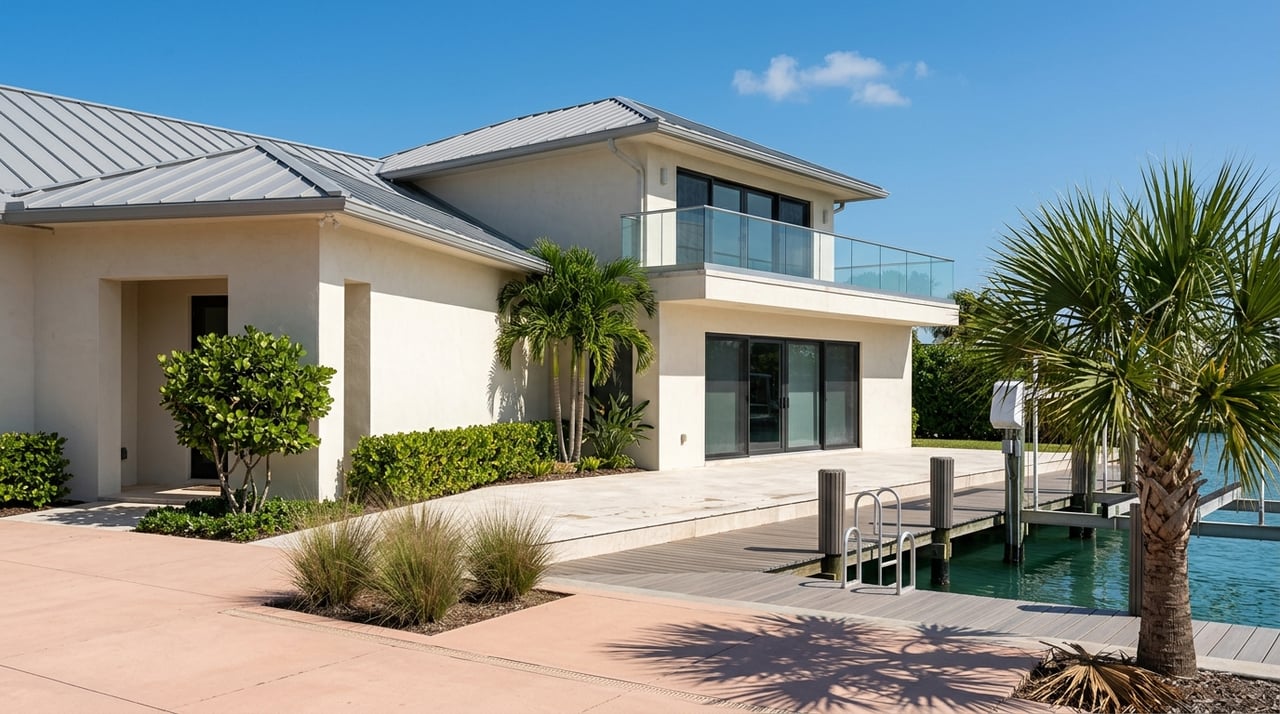
Planning A Move From Mars, PA To Florida’s Gulf Coast
July 16, 2026
July 16, 2026
Thinking about trading Mars, PA for Florida’s Gulf Coast? It sounds exciting, but a long-distance move like this is rarely just about picking a sunny zip code and packing boxes. You need a plan for two connected transactions, a clear handle on timing, and a smart way to compare Gulf Coast areas from afar. If you want the move to feel more manageable and less stressful, this guide will walk you through the big decisions that matter most. Let’s dive in.
If you own a home in Mars, your move to Florida works best when you treat it as a linked sale and purchase, not two separate events. Mars is a small borough in Butler County, and moving from a close-knit western Pennsylvania market to the Florida Gulf Coast means you are stepping into a very different property landscape.
On the Florida side, one neighborhood can differ a lot from another in flood exposure, insurance costs, and association rules. That means your Florida home search should start with practical filters, not just photos or broad city names. A home that looks perfect online may carry very different costs and rules once you look at the exact address.
One of the biggest early decisions is whether to sell your Mars home before buying in Florida, or buy first and sell after. For many homeowners, selling first is the cleaner path because it helps define your budget and reduces the risk of carrying two homes at once.
At the same time, short-term gap financing can sometimes help if you need to buy before your Pennsylvania home closes. Consumer guidance notes that a temporary bridge loan of 12 months or less may be used when a borrower plans to sell the current home within 12 months. That makes your timing, cash flow, and lender conversations especially important.
The right choice depends on your comfort level, available funds, and how quickly you want to move. If your Florida move is tied to a firm life event like retirement, a job change, or a seasonal deadline, your timeline may matter just as much as price.
Selling first can be helpful if you want a firm number for your Florida budget. It can also reduce pressure when you are comparing taxes, insurance, and monthly costs in a new state.
This route may also make the move feel more organized. You know how much equity you have, what your closing window looks like, and how much cash will be available for your next purchase.
Buying first may work if you find the right Florida property and do not want to miss it. This can be especially important if you are targeting a condo community, seasonal market window, or a specific part of the Gulf Coast.
Still, buying first usually requires more planning. You need to be realistic about short-term financing, carrying costs, and what happens if your Mars home takes longer to sell than expected.
A cross-state move needs more than a target month. You need a working timeline that accounts for your Mars listing, your Florida search, lender approval, insurance setup, and final closing dates.
Consumer guidance points out that closing dates should line up with contract deadlines, the seller’s move-out date, and the lender’s approval and rate-lock timeline. It also notes that the Closing Disclosure must be delivered at least three business days before closing, and borrowers should compare it with the Loan Estimate.
Another key step is insurance. Proof of homeowners insurance is needed before a lender will fund the mortgage loan, so this should not wait until the last minute. If dates do not line up cleanly, it is wise to prepare a backup plan for temporary housing or storage.
Here is a simple way to think about the process:
A Florida purchase comes with costs beyond your down payment, and that is especially important when you are moving from Pennsylvania and comparing two very different ownership profiles. Buyers should be prepared for insurance, taxes, closing costs, moving expenses, furniture, repairs, and improvements.
If your down payment is below 20%, mortgage insurance may also apply on many loans. That can change your monthly payment more than expected, especially if the Florida property also needs separate flood coverage or has association fees.
This is why the cash question matters so much in a Pennsylvania-to-Florida move. It is not just about whether you can qualify. It is about whether the full monthly and upfront cost still feels comfortable after the move.
One of the biggest mistakes long-distance buyers make is shopping by city name alone. On Florida’s Gulf Coast, risk and cost can change from one address to the next.
Flood risk is one of the most important filters to use early. Flood insurance guidance explains that most homeowners insurance does not cover flood damage, and premiums can depend on where a property is built, how it is built, and its replacement cost.
The Florida Chief Financial Officer also notes that property insurance base rates can use the property’s city, county, and ZIP code. In plain terms, that means broad assumptions are not enough. You want quotes and risk review tied to the exact property, not just the general area.
Several Gulf Coast counties offer public tools that can help you compare properties more accurately from afar. Pinellas County provides flood information that includes FEMA flood zones, evacuation zones, storm surge, sea level rise, and elevation certificate data.
Sarasota County notes that its Gulf location, flat topography, and sub-tropical climate make it susceptible to coastal, riverine, and urban flooding. Lee County states that FEMA Flood Insurance Rate Maps help determine flood insurance cost and construction standards in flood zones.
These tools can help you narrow choices before you travel, write an offer, or commit to a monthly payment that may be higher than expected.
Timing matters in Florida for reasons that do not come up the same way in Mars. The Atlantic hurricane season runs from June 1 through November 30, so your closing and occupancy plans should account for that window.
That does not mean you should avoid moving during those months. It does mean you should build in extra flexibility, especially if you are relying on inspections, insurance binding, travel schedules, or a tight move-in date.
If you are aiming for a summer or fall closing, it is smart to think ahead about what happens if weather causes delays. A little extra planning can make a big difference in keeping your move calm and workable.
Insurance is not a detail to sort out later. On the Gulf Coast, it should be part of your decision before you make an offer.
Florida insurance guidance says homeowners insurance typically does not cover flood damage, so flood coverage must be purchased separately. It also notes that insurers may require underwriting inspections, which can affect timing.
There is another timing issue to keep in mind. Pinellas County notes that a new flood policy typically takes 30 days to take effect. If you wait too long to look into flood coverage, your closing timeline could get tighter than you expected.
Before you write an offer, ask for:
Many Gulf Coast buyers are drawn to condos, villas, or homes in planned communities. These can be great options, but they often come with rules that out-of-state buyers do not expect.
Florida condo disclosures must explain things like voting rights, unit-use restrictions, leasing restrictions, and fees. Florida HOA law also allows associations to enforce governing documents and levy fines or suspensions for violations.
If you are planning a seasonal move, considering future renting, or simply want flexibility in how you use the property, these details matter. Reviewing documents early can help you avoid buying into a community that does not match your goals.
If your move to Florida is full-time rather than seasonal, homestead rules may come into play. Florida’s Department of Revenue says the owner must have Florida real property on January 1, make it a permanent residence, and file with the county property appraiser.
The homestead exemption can reduce assessed value by up to $50,000, and some assessment savings may be portable under Save Our Homes rules. For many movers, this becomes an important distinction between buying a second home and establishing a primary residence.
If you are still deciding between snowbird living and a full relocation, this is one more reason to define your long-term plan before you buy.
A state-to-state move gets smoother when the right people are aligned from the beginning. The closing process can involve the buyer, seller, agents, escrow officer, settlement agent, title company or escrow company, and sometimes an attorney, depending on the state.
For a Mars-to-Florida move, the practical takeaway is simple. Your listing side, purchase side, lender, and closing team should all be in sync early, not just during the final week.
Consumer guidance also recommends contacting your lender or closing agent at least a week before closing to confirm how the Closing Disclosure will be delivered. Keeping communication tight can help you avoid last-minute surprises while you are juggling movers, utilities, travel, and possession dates.
The best moves are usually the ones built on a clear strategy, not just excitement about a new destination. If you are leaving Mars for Florida’s Gulf Coast, your biggest wins usually come from deciding your sequence early, budgeting beyond the down payment, and vetting each Florida property by exact address.
That kind of planning can save you money, reduce stress, and help you feel more confident from listing day through move-in day. If you want a calm, informed approach to coordinating your Pennsylvania sale with your Florida goals, Chelsea Dolny is here to help you think through the move step by step.
Stay up to date on the latest real estate trends.

I am committed to guiding you every step of the way—whether you're buying a home, selling a property, or securing a mortgage. Whatever your needs, I've got you covered.

Chelsea Dolny
3150 Tampa RD Suite #8 Oldsmar, FL 34677 1667 PA 228 Ste 200 Cranberry Township, PA 16066